The Ximenex-Fatio House Museum
/*! elementor - v3.13.3 - 28-05-2023 */ .elementor-heading-title{padding:0;margin:0;line-height:1}.elementor-widget-heading .elementor-heading-title[class*=elementor-size-]>a{color:inherit;font-size:inherit;line-height:inherit}.elementor-widget-heading .elementor-heading-title.elementor-size-small{font-size:15px}.elementor-widget-heading .elementor-heading-title.elementor-size-medium{font-size:19px}.elementor-widget-heading .elementor-heading-title.elementor-size-large{font-size:29px}.elementor-widget-heading .elementor-heading-title.elementor-size-xl{font-size:39px}.elementor-widget-heading .elementor-heading-title.elementor-size-xxl{font-size:59px}www.theoddmacabre.com
The Ximenez-Fatio House Museum
The Ximenez-Fatio House Museum is a historic property located in St. Augustine, Florida built in 1798.
Today, the house is a museum that offers visitors a glimpse into life in St. Augustine during the 19th century.
The Ximenez-Fatio House is also known for its reported paranormal activity, with visitors and staff alike reporting strange occurrences. There have been reports of doors opening and closing on their own, and the sounds of footsteps and voices in empty rooms. Some have even claimed to see ghostly apparitions of former occupants of the house.
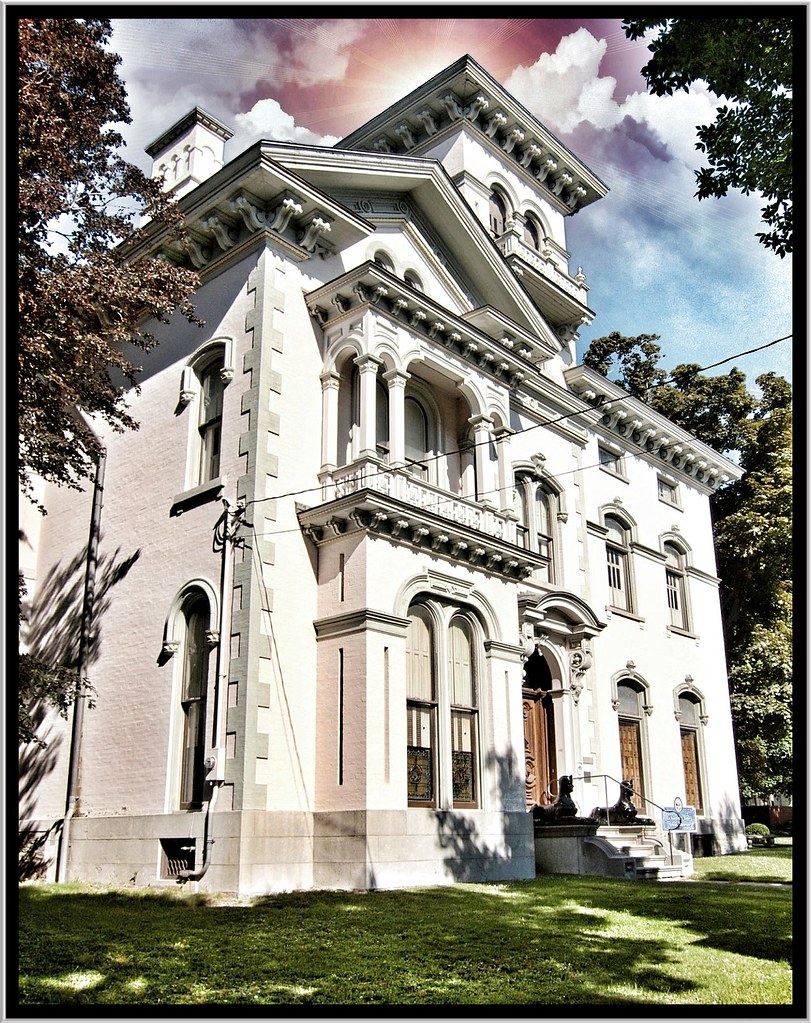
Whether you are interested in the history, the paranormal or both; the Ximenez-Fatio House Museum is a popular tourist destination, offering a fascinating look into the history of St. Augustine and the people who called it home.
History of the House
The Ximenez-Fatio House is a historic property that was built in 1798 by Andres Ximenez, a Spanish merchant. The house was constructed using coquina, a type of limestone that was abundant in the area, and tabby, a man-made cement comprised of oyster shells, lime, & ash prevalent in construction throughout the Southeastern U.S.
The Ximenez family would unfortunately not have a lengthy time in the home they so meticulously constructed, with Juana passing in 1802 of yellow fever, followed by two of their five children in the next year, and Andres passing in 1806. The house went into a trust under the care of Juana’s family the Pellicers until 1830 when it was purchased by Margaret Cook.
Mrs. Cook converted the home to a boarding house, where it would flourish for almost a century. The house changed hands several times, with A succession of women owners adding their own touches to the property. One notable owner was Miss Louisa Fatio, a wealthy unmarried woman who purchased the house in 1855. Fatio was a prominent member of St. Augustine’s social scene and was known for her lavish parties and events. During her ownership, the house became known as a center of social life in the city.

Today, the Ximenez-Fatio House is a museum that showcases the history of St. Augustine and the people who lived in the house over the years. Visitors can explore the property and see the various architectural styles and additions that have been made to the house, as well as learn about the fascinating history of the area.
Back to Life
The Ximenez-Fatio House has undergone several restoration projects over the years to ensure that it remains in top condition for visitors to enjoy. The most significant restoration work took place in 1939, when the property was purchased by the National Society of The Colonial Dames of America in the State of Florida. The Colonial Dames undertook a major restoration project to return the property to its original appearance.
They removed modern additions such as plumbing, and also restored the central courtyard and recreated the original garden, using plants and trees that were typical of the period.
Today, visitors to the Ximenez-Fatio House Museum can expect to see the property in a restored condition that is as close as possible to its original appearance. The museum is furnished with period pieces that reflect the style of the late 18th and early 19th centuries, and visitors can explore the various rooms and learn about the people who lived and worked in the house over the years.
The preservation work done by the Colonial Dames has ensured that the Ximenez-Fatio House remains a valuable piece of St. Augustine’s history for generations to come.
Stepping Back in Time
The Ximenez-Fatio House Museum offers a range of exhibits that provide visitors with a fascinating look into the history of St. Augustine and the people who lived in the house over the years. Some of the highlights of the museum’s exhibits include:
Historic Furnishings: The museum is furnished with period pieces that reflect the style of the late 18th and early 19th centuries. Visitors can explore the various rooms and see how the house would have looked during different time periods.
Archaeological Finds: The property has been the site of several archaeological digs over the years, and many artifacts have been uncovered that shed light on the people who lived in the house and the history of St. Augustine.
Social Life in St. Augustine: Louisa Fatio, a prominent socialite, owned the house in the mid-19th century, and the museum has exhibits that showcase the social life of the era, including fashion, entertainment, and leisure activities.
During their visit, visitors can take a guided tour of the museum and learn about the fascinating history of St. Augustine and the people who lived in the Ximenez-Fatio House. The exhibits offer a unique look into the past and provide a memorable experience for visitors of all ages.
Spend A Night Among Ghosts at The Ximenez-Fatio House Museum
For those looking for a truly unique and unforgettable experience, the Ximenez-Fatio House Museum offers the “A Night Among Ghosts” investigation. This paranormal investigation, led by our lead Paranormal Investigator and owner of The Odd Macabre, Heather, allows guests to investigate and explore the house after dark and search for evidence of the paranormal.
During the investigation, guests will use a variety of tools and techniques ranging from Victoria Spiritualism Techniques to modern ghosts hunting equipment to communicate with any spirits that tend to be present in the house. Guests will also hear stories about the history of the house and its former occupants, many of whom are said to still linger in the afterlife.
This experience is not for the faint of heart and is only available for those 16 years of age or older. The investigation is limited to a small group of participants to ensure a personalized and intimate experience.
See it During the Day
The Ximenez-Fatio House Museum is open to the public and welcomes visitors from all over the world. Here is a bit of information to help plan your visit:
Location: The museum is located at in St. Augustine, FL. It is within walking distance of many other historic sites and attractions in the city’s historic district.
Parking: There is limited street parking available near the museum. Visitors may also use one of several paid parking lots in the area.
Tours: Guided tours of the museum are available as well as self-guided audio tours.
We hope this information helps you plan your visit to the Ximenez-Fatio House Museum. If you have any additional questions, please do not hesitate to contact the museum directly.
Paranormal Activity at the Ximenez-Fatio House
The Ximenez-Fatio House has gained a reputation as one of the most haunted locations in St. Augustine, a city already steeped in ghostly lore. Visitors and staff have reported a wide range of unexplained phenomena over the years, from disembodied voices and phantom footsteps to full-bodied apparitions. The house's long history as both a family residence and a boarding house seems to have left an imprint that many believe lingers to this day.
One of the most frequently reported occurrences is the sound of children laughing and playing in the upstairs rooms, despite no children being present. Some have linked this to the Ximenez children who died of yellow fever in the early 1800s. Others have reported seeing a woman in period clothing walking through the halls, believed by some to be either Juana Ximenez or one of the later female owners who ran the boarding house.
Paranormal investigators have conducted numerous investigations at the property, using equipment such as EMF meters, digital recorders, and infrared cameras. Many claim to have captured electronic voice phenomena (EVP) and anomalous temperature fluctuations. The museum embraces its haunted reputation, offering ghost tours and paranormal events throughout the year, especially around Halloween.
Architecture and Grounds
The Ximenez-Fatio House is a prime example of Spanish Colonial architecture adapted to the Florida climate. The original structure was built with coquina walls, which provided excellent insulation against the heat and humidity. The house features a distinctive two-story veranda that wraps around the building, offering shade and ventilation—a hallmark of Southern coastal design.
The property also includes a separate kitchen building, a washhouse, and a well, all reconstructed to reflect the period. The central courtyard, restored by the Colonial Dames, is a serene space with native plants and a cistern. The garden is planted with species that would have been common in the 19th century, including citrus trees, herbs, and flowering shrubs, giving visitors a sense of what the property looked like when it was a thriving boarding house.
Inside, the rooms are furnished with period-appropriate pieces, many of which are original to the house or donated by local families. The layout reflects the evolution from a private residence to a boarding house, with separate entrances and private quarters added over time. The museum's careful restoration allows visitors to see the layers of history in the walls, floors, and ceilings.
Visiting the Museum
The Ximenez-Fatio House Museum is open to the public year-round, though hours may vary by season. Guided tours are available and are highly recommended, as the knowledgeable docents provide context and stories that bring the house to life. Self-guided tours are also an option for those who prefer to explore at their own pace.
- Location: , St. Augustine, Florida, in the heart of the historic district.
- Tour length: Approximately 45 minutes to 1 hour.
- Accessibility: The ground floor is accessible, but the upper floors require climbing stairs.
- Photography: Allowed in most areas, but flash and tripods may be restricted.
For those interested in the paranormal side, the museum offers special evening ghost tours and investigations. These events are popular and often sell out, so advance booking is advised. The museum also hosts educational programs, lectures, and special exhibits throughout the year, making it a dynamic destination for history buffs and ghost hunters alike.
Connection to St. Augustine's Haunted History
St. Augustine is often called the most haunted city in America, and the Ximenez-Fatio House is a key stop on many ghost tours. Its location on Aviles Street, one of the oldest streets in the United States, places it within walking distance of other haunted sites such as the St. Augustine Lighthouse and the Old Jail. Visitors interested in the city's supernatural side can easily combine a visit to the Ximenez-Fatio House with other paranormal hotspots.
The house's history of tragedy—yellow fever deaths, a long period as a boarding house for the sick and dying, and the many lives that passed through its doors—contributes to its eerie reputation. Whether you are a skeptic or a believer, the Ximenez-Fatio House offers a compelling blend of history and mystery that continues to draw curious visitors from around the world.
For more on the city's haunted locations, see our guide to Experiences in St. Augustine FL and Exploring St Augustine.