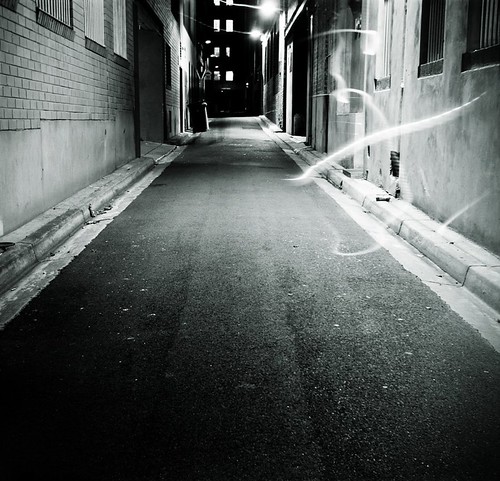
Haunted St Augustine
Haunted St Augustine
St Augustine, FL
Whether mildly curious about the things that go bump in the night or someone who loves all things paranormal, dark history and true crime aficionados, to family frights, the Odd Macabre has the perfect experience for everyone.
St. Augustine Lighthouse
On beautiful Anastasia Island, a favorite icon stands tall, looming above the tree tops and sweeping a beam of light across the downtown area and out to sea. Her beautiful black and white spiral daymark and crisp red lantern stands an impressive 165 feet tall. The St. Augustine Lighthouse tower was completed in 1874 and this grand dame rings in at 145 years old. The historical aspect of this area is astounding, the area has been home to Indigenous natives, early Spanish settlers, the site of two different early Spanish watchtowers, and two lighthouse structures. The tower, keeper's house, grounds, and surrounding park are all known for eerie encounters and frequent paranormal activity. Red Cox Park or often called Lighthouse Park is considered to be one of the most prevalent areas of ghostly activity and sightings in the state of Florida.
Castillo de San Marcos
The oldest masonry fortification in the continental U.S. is the Castillo de san Marcos. The structure is made of coquina, a native shellstone quarried on adjacent Anastasia Island. The first cornerstone was laid in 1672, and the Fort was completed in 1795. The Fort area has been the home to 9 other fortifications made of wood and thatch prior to the current structure. The Castillo has never been taken by force, although many have tried throughout the Oldest City's history. The fort area is known for many paranormal occurrences, including sightings of ghostly soldiers and natives, uneasy feelings, unexplainable lights, mists, and sounds. There are incidents of physical encounters from spirit there as well.
Huguenot Cemetery
The Huguenot Cemetery opened in 1821, originally known as the Publick Burying Ground, the Huguenot name is considered to be a misnomer, as there are no known French Protestants (Huguenots) buried within the grounds. The burial ground was the area utilized for protestant burials originally stemming from the Yellow Fever Epidemic of 1821. There are possibly three other burial areas that reside outside of the enclosed walls of the Huguenot. One being a mass grave from 1821 comprised of the first victims of the dreadful Yellow Jack. Another area is believed to be a potter's field for those convicted of crimes buried alongside the poor (those not affluent enough to afford burial within the walled cemetery.) Through recent research we have uncovered the possibility of St. Augustine's first Jewish burial ground also residing within an area outside the walls of the Huguenot. As you might imagine with all of the different burial processes and the horrific epidemics and events leading to those deaths, the Huguenot is a hotspot of ghostly sightings from many different eras and walks of life. The area is steeped in legend and lore, and is a place that many have found that face to face ghostly encounter they have been looking for.
The Matanzas Waterway
The Matanzas waterway is an integral piece of St. Augustine's past and present. Currently it serves as the idyllic setting for the bayfront, the famous Bridge of Lions, and the outlet to the Atlantic Ocean. Historically this waterway has been the site of shipwrecks, the arrival and departure point of the pirates, the docks that first welcomed Yellow Fever to our shore, and the site where many French Huguenots were massacred by the Spanish in 1565. The French hedged on the claimed Spanish territory establishing their settlement Fort de Caroline (South of present day Jacksonville) in 1562 named the waterway Rivière de Dauphins (River of Dolphins) The Spanish changed the name to Matanzas in 1566 meaning "The Massacres or Slaughters" after massacring most of the French and disposing of their beheaded bodies into the waterway. The Matanzas is ever changing and not the easiest body of water to navigate. Many ghostly stories span from this 23 mile long estuary that washes upon the shores of the Castillo in the historic district, and is punctuated by Fort Matanzas on the Inlet side.
Tolomato Cemetery
This cemetery was the former site of "Tolomato", a village of Guale Indians that had converted to Christianity and the Franciscan friars who ministered to them. The site where the village stood and Franciscan mission is noted on a 1737 map of St. Augustine. The cemetery continued to be used as a Catholic cemetery by the Menorcans' descendants as well as other Catholics throughout the various changes of country ownership in St. Augustine from Spanish, to British, and back to Spanish in 1783, to American control in 1821. This was a cemetery for many different inhabitants of St. Augustine, with a portion of this cemetery set aside for former American black slaves, who had converted to Catholicism after escaping bondage in the Carolinas. The cemetery was officially closed in 1884 along with the nearby Huguenot Cemetery, but received two more, unauthorized, burials: those of Catalina Usina Llambias, who died in 1886, and Robert Sabate, who died in 1892. In both cases, the family of the deceased were fined $25.00 for violating the law.
The Old Jail
St. Augustine’s Old Jail is one of the most haunted locations in the city. Listed on the Florida and National Register of Haunted Places, tourists and locals alike visit the Old Jail to experience the supernatural stories firsthand. Henry Flagler, a key figure in St. Augustine’s development, built the structure in 1891 and conditions for prisoners were notoriously inhumane. Some of the most dangerous criminals were housed in the jail’s maximum-security area, and eight men were hung from the gallows.
St. Augustine City Gates
St. Augustine’s City Gates are one of the most recognized icons of our historic city. The current gates were constructed in 1808, and almost met the wrecking ball in the late 1890's. Three women of St. Augustine's upper society, including Mrs. John Dismukes donned mourning gowns and veils, set up tables and served tea blocking the gate from destruction, refusing to go home until an agreement to keep the old gates was reached. Today the old gates are a reminder of our history and are certainly the home to the occasional ghostly passerby as well.
Ghost Tours & Investigations
St. Augustine’s haunted history isn’t just something to read about—it’s something to experience firsthand. The city’s narrow streets, ancient cemeteries, and weathered forts have drawn paranormal investigators, curious travelers, and thrill-seekers for decades. Whether you’re a seasoned ghost hunter with EMF meters and spirit boxes or someone who simply enjoys a good spine-tingling story after dark, there’s a way to explore the supernatural side of the Oldest City that suits your comfort level.
Many local tour operators offer guided walks through the most active locations, blending historical fact with eerie anecdotes passed down through generations. These aren’t just theatrical performances—guides often share personal encounters and encourage guests to document anything unusual. From orbs in photographs to unexplained cold spots, the evidence collected on these tours has fueled St. Augustine’s reputation as one of the most haunted cities in America.
What to Expect on a Haunted St. Augustine Tour
Most ghost tours run in the evening, when the heat of the day fades and the historic district takes on a different character. Lantern-lit walks through the old streets, cemetery gates, and along the bayfront are common. You’ll hear about the restless spirits of the Huguenot Cemetery, the shadowy figures seen near the Castillo, and the tragic tales of those who met untimely ends. Some tours focus on specific themes—pirates, Yellow Fever victims, or the city’s many layers of occupation—while others offer a broad overview of the paranormal landscape.
For those who want a more hands-on approach, several companies offer paranormal investigation experiences. These typically include the use of equipment like EMF detectors, digital recorders, and infrared cameras. Participants are encouraged to ask questions, take photographs, and remain open to whatever may—or may not—happen. It’s important to remember that no tour can guarantee a ghostly encounter, but many guests report strange occurrences that defy easy explanation.

Choosing the Right Experience for You
With so many options available, it helps to consider what kind of experience you’re after. Are you looking for a family-friendly stroll with spooky stories, or an intense investigation in a known hotspot? Do you prefer a small group or a larger, more social setting? Some tours are walking only, while others include access to private properties or use transportation to reach outlying sites like the St. Augustine Lighthouse or Fort Matanzas.
- Walking Ghost Tours: Ideal for first-time visitors and families. These tours cover the historic district’s most famous haunts and last 1–2 hours.
- Paranormal Investigations: For serious enthusiasts. These often include equipment, smaller groups, and extended time in active locations.
- Themed Tours: Focus on specific aspects like pirates, true crime, or the Yellow Fever epidemics. Great for history buffs who want a deeper dive.
- Pub Crawls & Ghosts: Combine haunted history with stops at some of St. Augustine’s oldest watering holes. For adults only.
No matter which you choose, wear comfortable shoes, bring a camera, and keep an open mind. The spirits of St. Augustine are said to be quite active, and you never know what you might capture.
Preparing for Your Ghostly Adventure
Before heading out, check the weather and dress accordingly—St. Augustine evenings can be humid, and tours run rain or shine. Many tours require advance booking, especially during peak seasons like October and the summer months. Arrive a few minutes early to check in and get oriented. If you’re sensitive to crowds, look for tours that limit group size.
It’s also worth noting that some locations, like the St. Augustine Lighthouse, offer their own ghost tours and investigations separate from the walking tours downtown. These can be a great complement to a general haunted history tour, and they often include access to areas not open to the public during the day.
Ethics and Respect on Ghost Tours
While ghost tours are entertaining, it’s important to remember that many of the sites visited are places of real tragedy and loss. Cemeteries, in particular, demand respect. Stay on designated paths, don’t touch headstones or leave offerings, and keep noise to a reasonable level. Guides will often share stories of real people who lived and died in St. Augustine—honor their memory by being a thoughtful visitor.
Some tours include locations where paranormal activity has been reported by staff and previous guests. If you choose to participate in an investigation, follow the guide’s instructions and be mindful of your own emotional and physical limits. The goal is to explore, learn, and perhaps experience something extraordinary—not to provoke or disrespect the spirits that may still linger.